

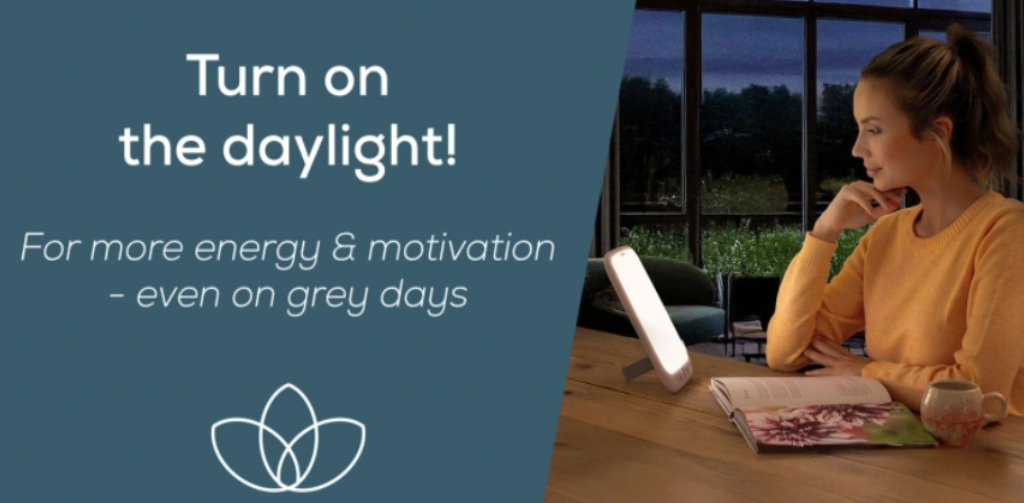
Our team at Pima Behavioral Health delivers evidence-based and compassionate care to people who experience depressive symptoms. One treatment, known as bright light therapy or phototherapy, exists as a valuable additional therapy for patients. The following article explains how light therapy operates, its therapeutic applications, research findings, and practical usage recommendations for healthcare professionals and their patients.
What is Light Therapy?
Light therapy requires patients to sit in front of a specialized bright light device (10,000 lux), most often as a light box to achieve mood and circadian rhythm and neurochemical pathway modifications. This treatment method, originally for Seasonal Affective Disorder (SAD), has evolved into a treatment for various depressive disorders.
Why Does it Work?
The therapeutic effects of light therapy on depression symptoms result from multiple biological processes.
- The suprachiasmatic nucleus receives bright morning light which enables it to reset its internal clock and produces better sleep quality and hormone release timing and daily rhythm synchronization.
- Neurotransmitter impact: The exposure of light to the body leads to increased serotonin levels and other neurotransmitters which help regulate mood.
- Direct mood effects: Research indicates that bright light exposure during a single session leads to small but noticeable mood improvements in people with depression.
What Does the Research Show?
The current evidence supporting light therapy for depression treatment exists, but researchers need to address specific study restrictions which make it suitable for use as a single treatment approach. The evidence supports light therapy as an effective treatment for SAD patients who experience winter depression. The research study demonstrated that light therapy produced results which matched those of various antidepressant medications.
Research indicates that 40-60% of participants achieve substantial symptom reduction through this treatment. The research findings about light therapy for non-seasonal major depressive disorder (MDD) show inconsistent results. Research studies indicate that light therapy produces better results when patients receive treatment during morning hours and when it serves as a complimentary therapy in conjunction with other treatment modalities. Light therapy has been shown to be a safe and effective treatment.
Light Therapy Safety and Effectiveness Guidelines for Use
The clinical and mild adverse effects, which include eye strain, headaches, and sleep problems when using the therapy at night. Selecting the right device requires you to find a light box which produces 10,000 lux of light at a distance of 16-24 inches while emitting minimal UV radiation. The most effective time to begin light therapy sessions occurs during the first hour after waking up. The recommended duration for daily sessions should be between 20 to 30 minutes.
Users should maintain their eyes open while being near the box but they should avoid direct exposure to the intense light. The light therapy should be used during activities like reading or eating breakfast because it helps patients stay engaged instead of simply staring at the light. The treatment benefits become noticeable after multiple days of consistent use, but irregular sessions will reduce its effectiveness.
Light therapy requires special attention for patients with bipolar disorder because light therapy can cause hypomanic or manic episodes when not properly monitored. Patients need to have their eye health and other potential contraindications checked during treatment. Light therapy should not replace established depression therapies.
Pima Behavioral Health providers may implement light therapy for specific patient groups because:
- The treatment of Seasonal Affective Disorder (SAD) with light therapy shows established effectiveness for patients who have not received non-pharmacologic treatments. The treatment approach works for patients who want to avoid medication or cannot handle antidepressant side effects.
- The treatment targets patients who experience sleep pattern disruptions while showing symptoms of depression.
- The treatment works best for patients who struggle to get enough daylight exposure because of their location or daily activities (e.g. working shifts or spending most time indoors).
- The treatment plan should combine light therapy with psychotherapy and lifestyle changes and medication management when necessary.
Final Thoughts
Light therapy serves as an essential treatment option which clinicians should use to help patients with depression. The research shows that light therapy functions as a safe, non-invasive treatment which provides well-tolerated benefits for seasonal depression patients. The staff at Pima Behavioral Health creates personalized treatment plans which combine light therapy with other therapies and lifestyle changes while continuously tracking patient progress.
Your clinician should establish specific guidelines for light therapy treatment including device selection and duration and timing and sleep and mood tracking before you start the therapy. The treatment helps patients achieve better mood stability while improving their overall health.